Energy
Theme
Year: 2021-2022
Semester 2
Theme
Year: 2021-2022
Semester 2
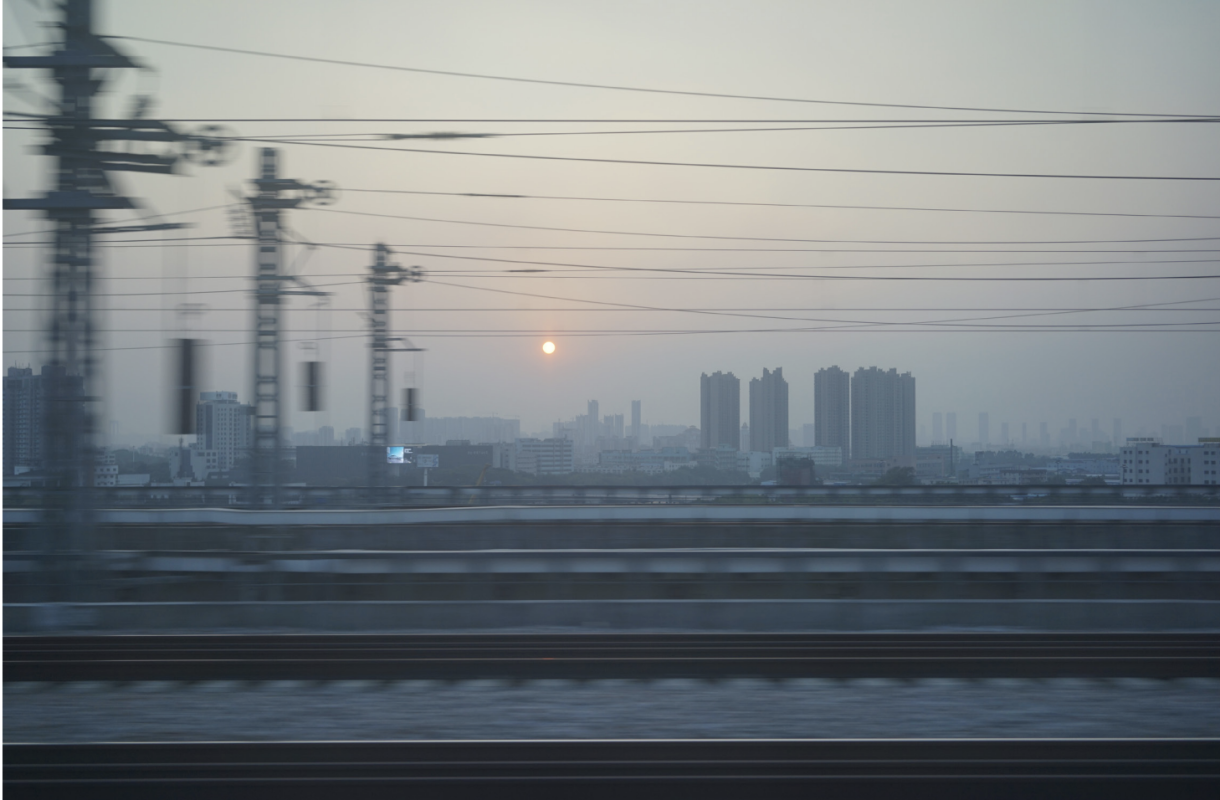
The studio approaches energy as culture. Through the lens of energy, the student questions the invisibility of our socio-technological systems. They consider aspects such as hardware, software, landscapes, personal and community and question how energetic networks underpin economic, political, environmental and social relations at different scales. Through individual and group work by collecting information, testing research methodologies, developing field research and designing along the creative research processes. Through the theme of energy, the students worked with different tools, narratives, material and visual languages of design to create a collective publication.
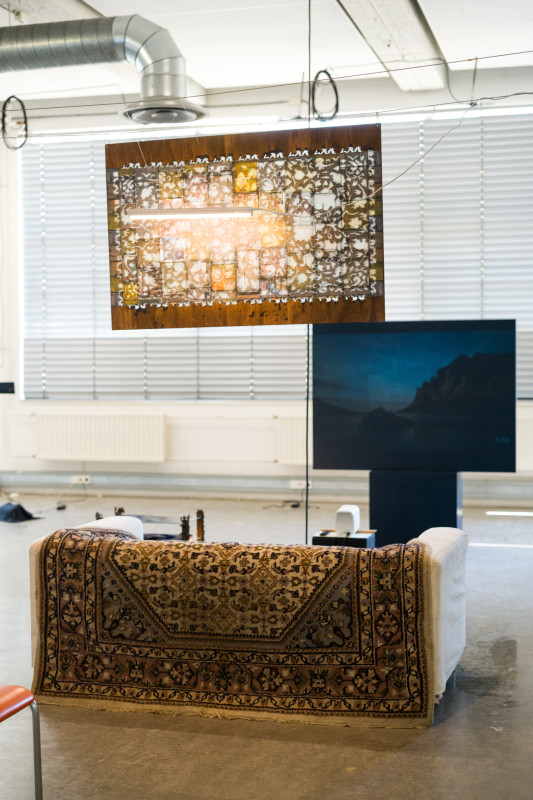
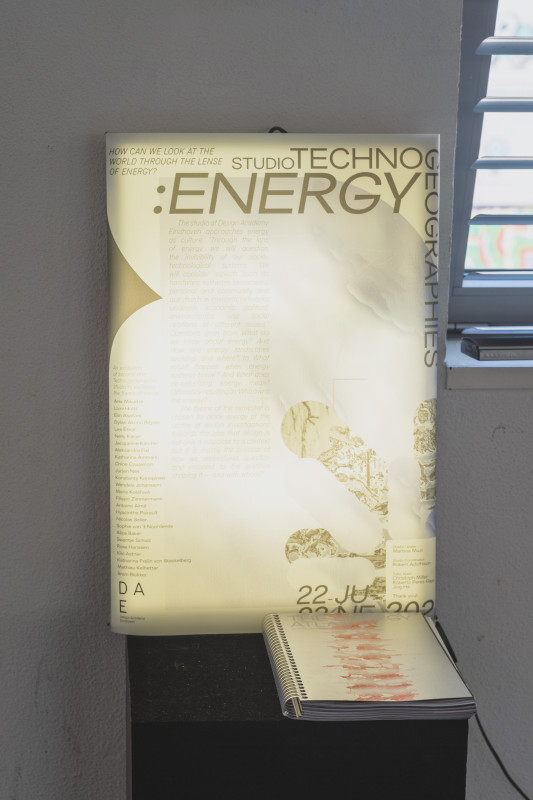
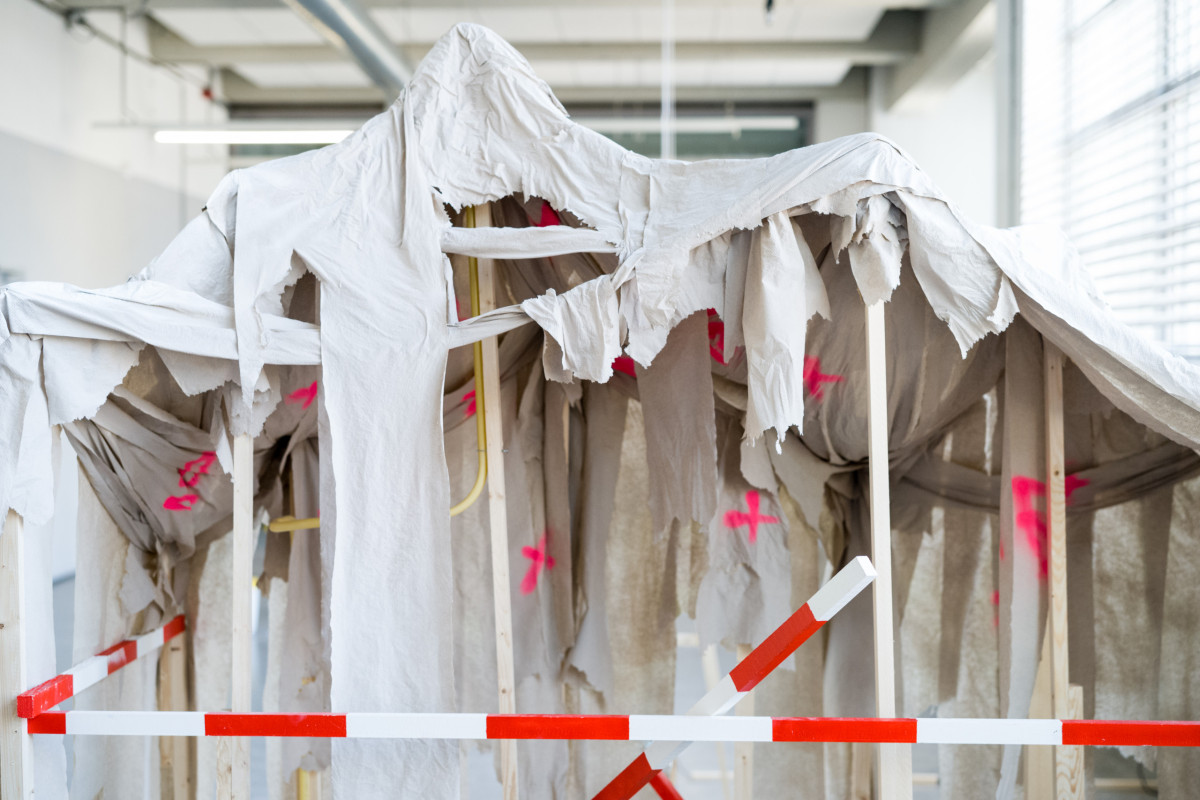
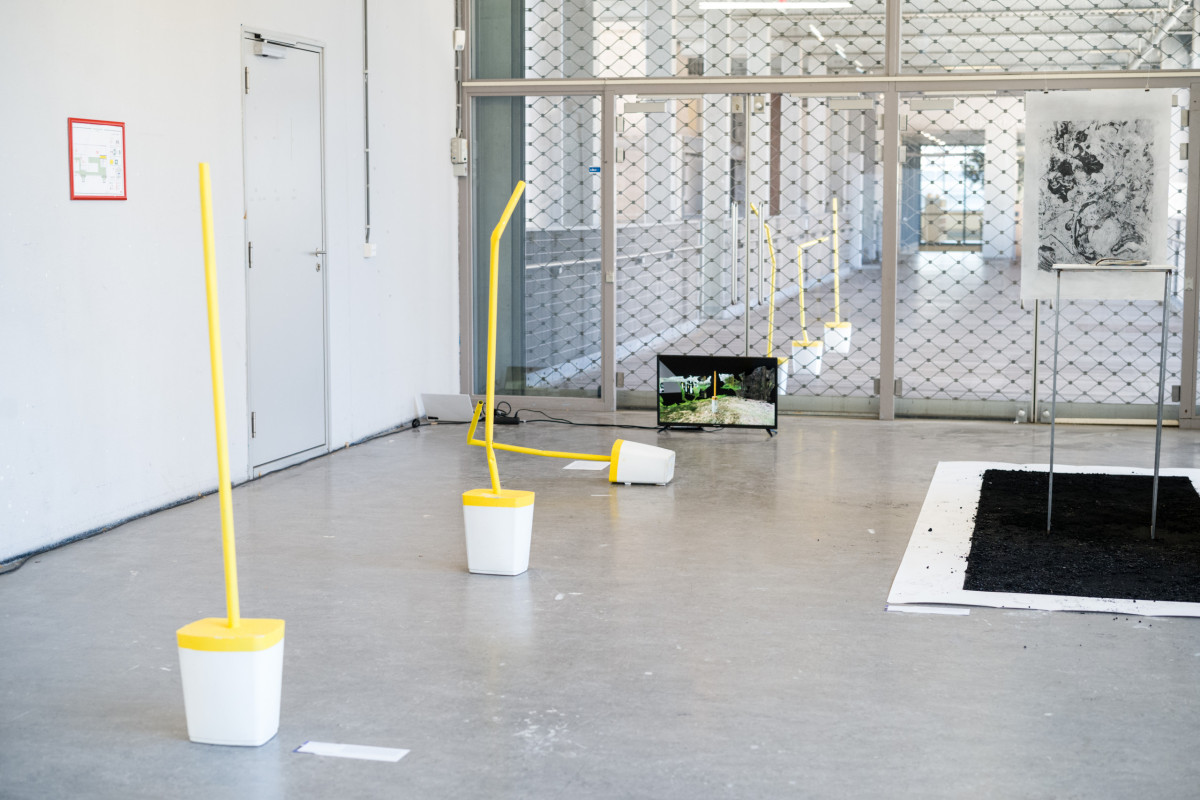
Curated exhibition presenting all the individual students’ projects The final exhibition collect in the same space all the different individual design projects on energy. Energy is fundamental for reality and hyperreality; to understand energy is urgent. Energy is generated, distributed, used and conceptualised. Energy systems and related infrastructures are invisibly interlaced with any action of human and non-human life. Cultural phenomena, socio-economic realities, political trajectories, labour, machine performances, pollution, centralised and decentralised networks and so forth – society as a whole is dependent on energy systems.
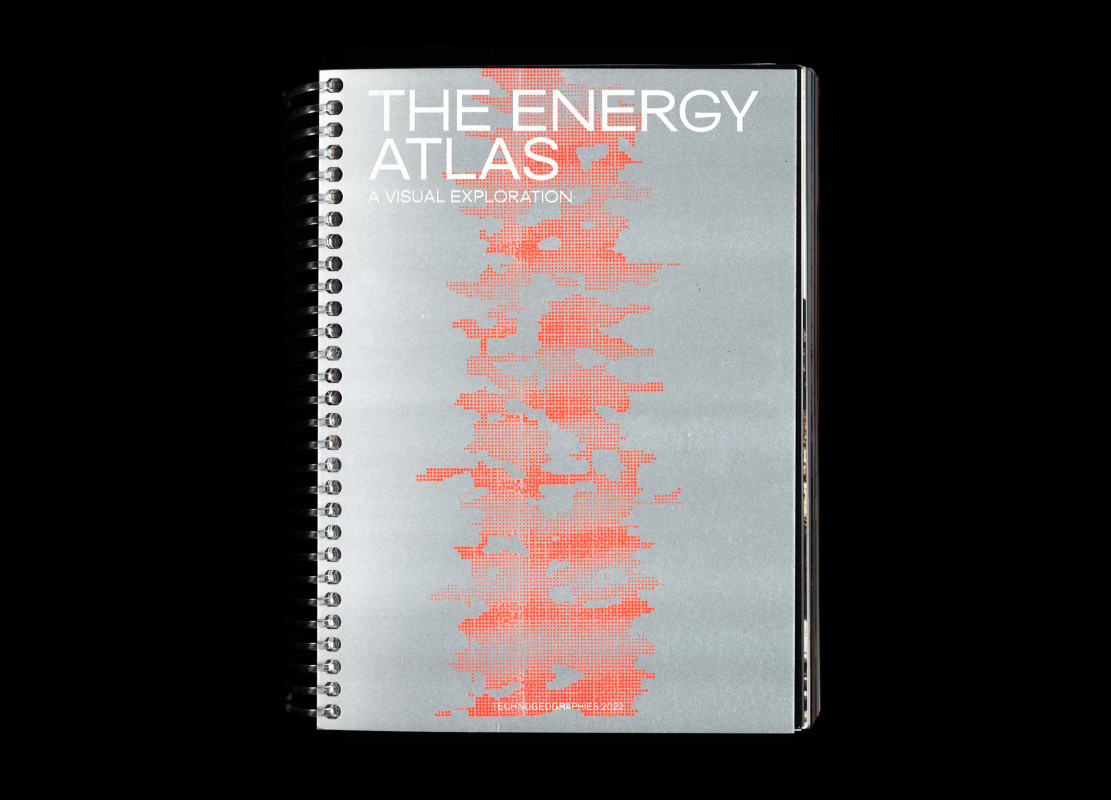
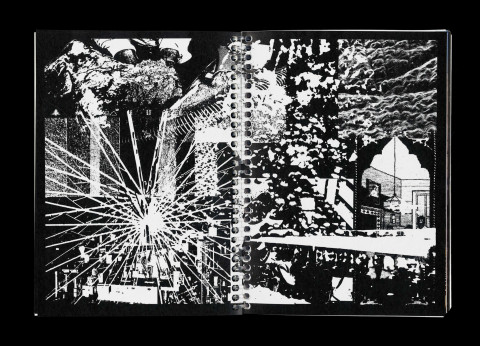
The Energy Atlas cover
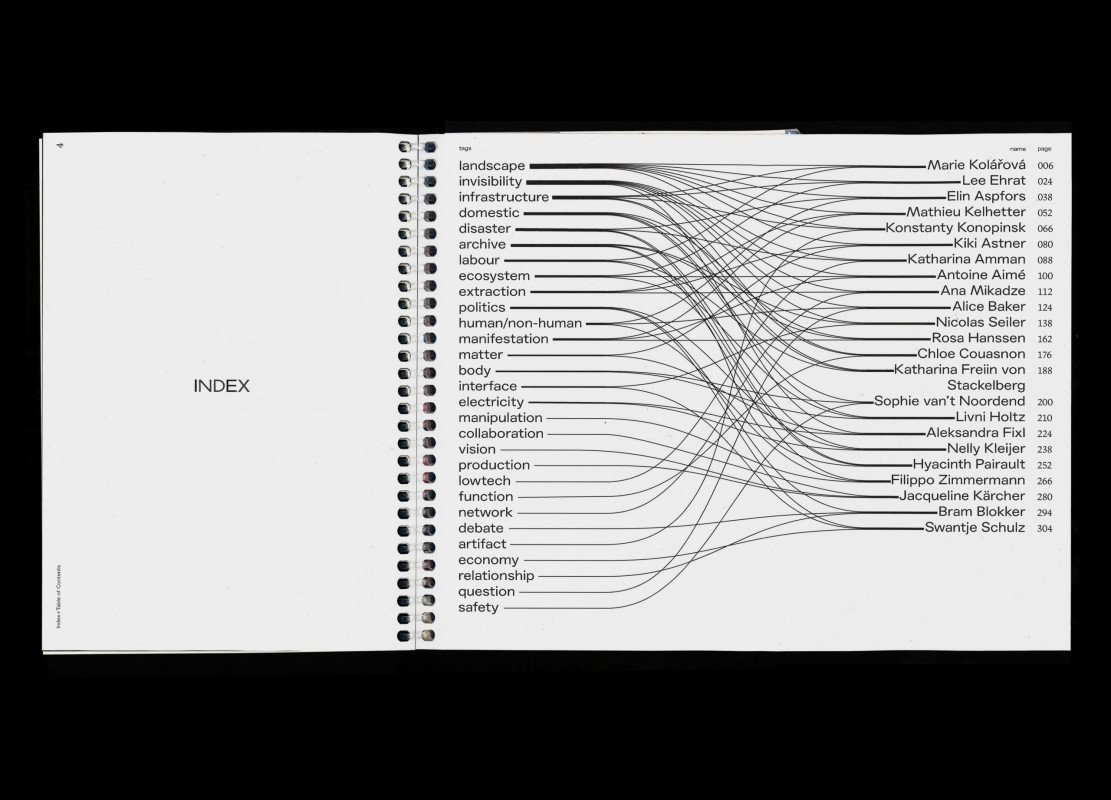
Index and table of content
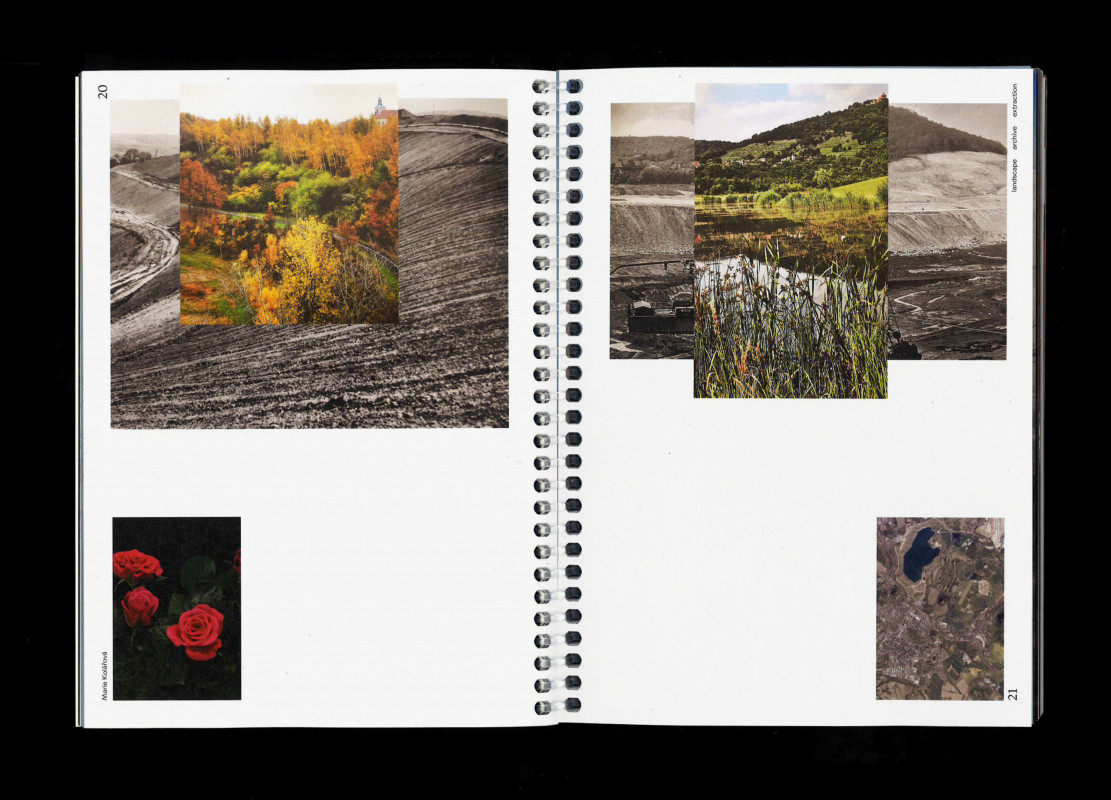
Marire Kolářová
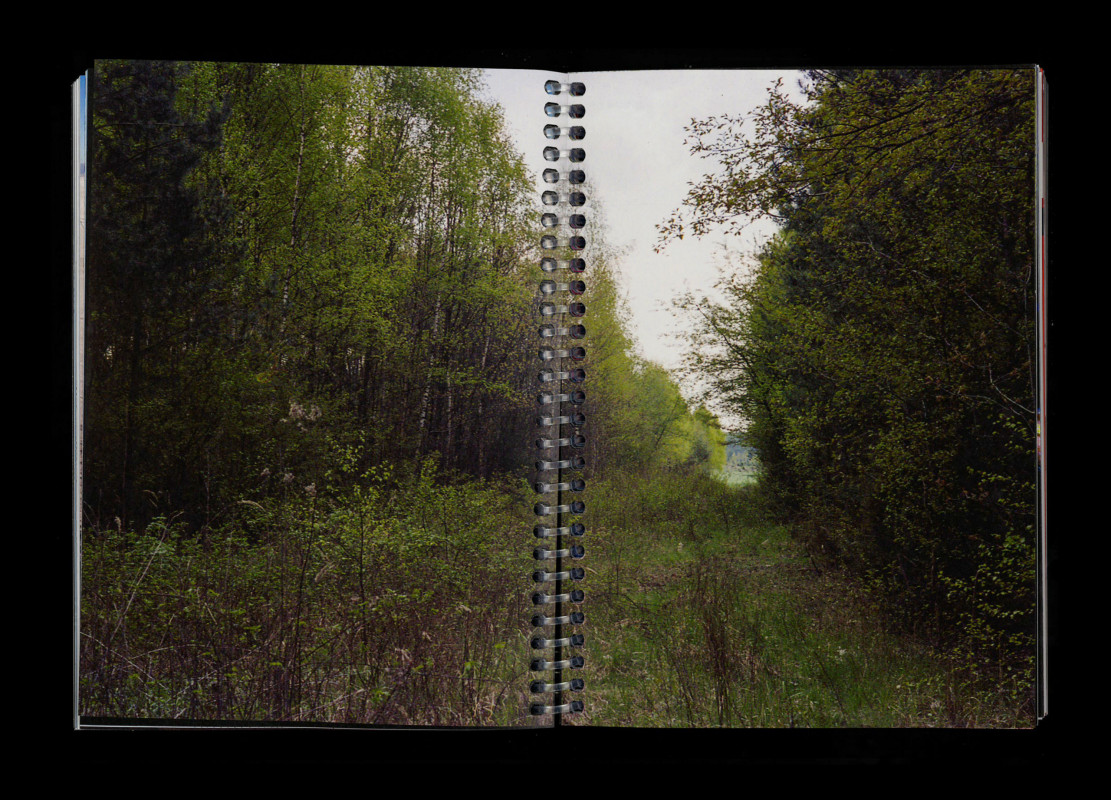
Konstanty Konopinski
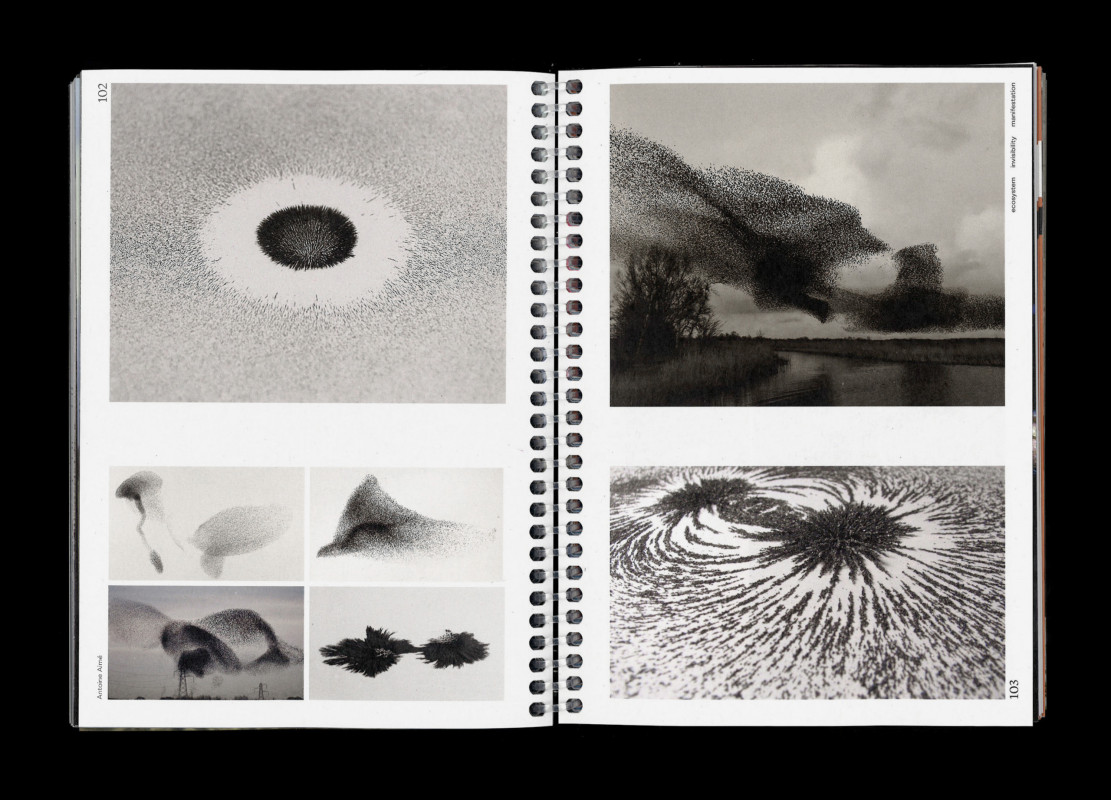
Antoine Aimé
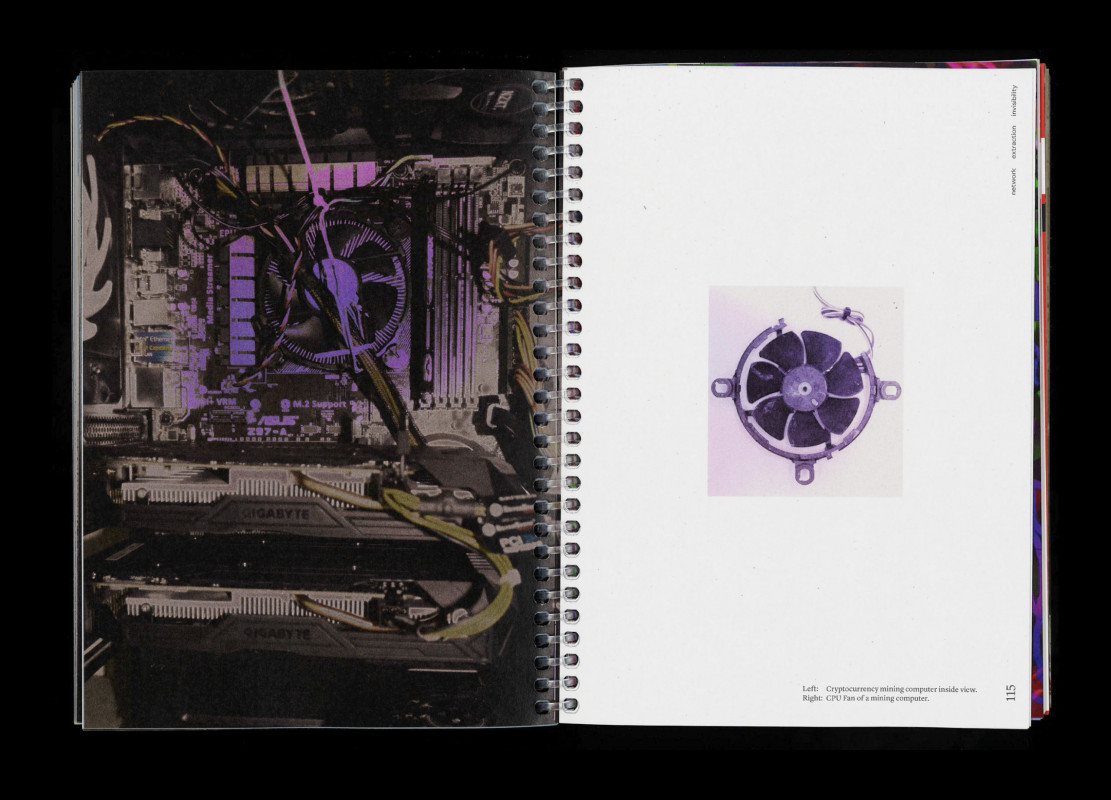
Cryptocurrency mining computer inside view, Anna Milkadze
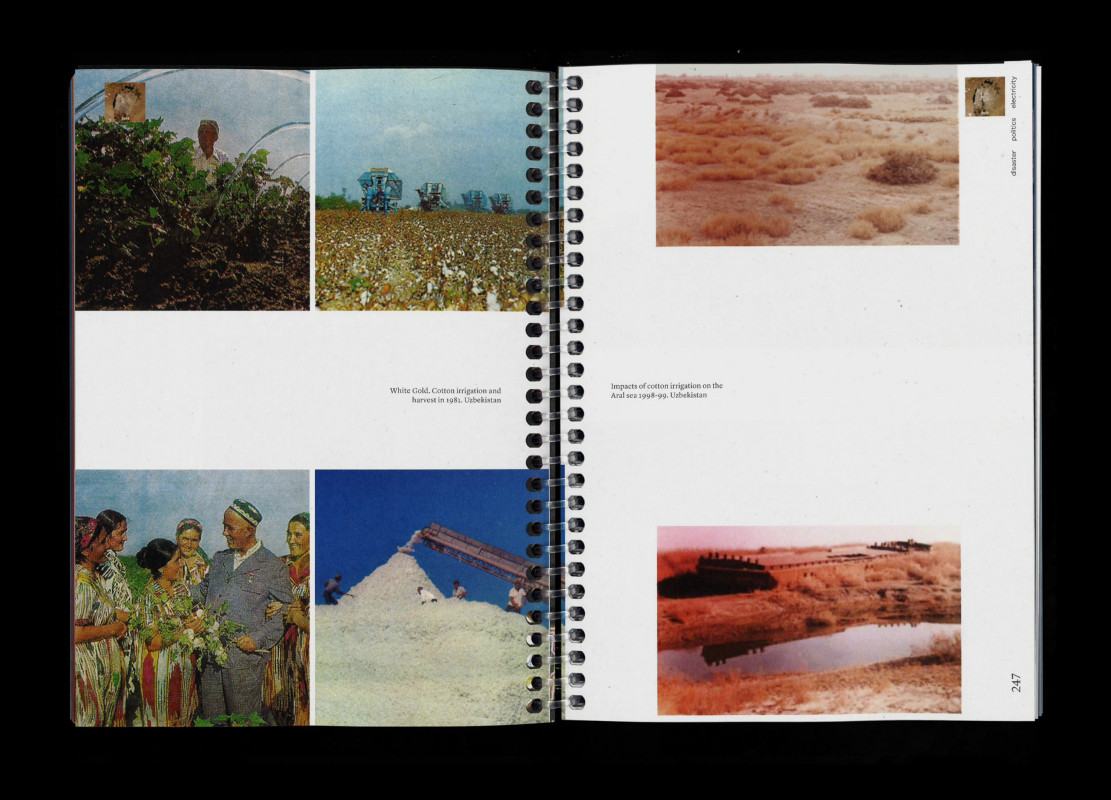
Cotton irrigation and harvest, Nelly Kleijer
As a collaborative group of tutors and students, the goal is to develop a shared vocabulary, create an active space for investigation, and establish a network of diverse locations and personalities, ultimately culminating in a collective publication. Energy is a mysterious thing. You cannot touch it, you cannot see it. How many of us know where exactly it is coming from, how it moves and how it works? And yet most of us depend on its unconditional presence. In this day and age a life without energy would be hardly imaginably for as the actions of plugging in, heating, cooling, and refuelling are indispensable for our modern societies to operate. With energy, we charge our devices, warm-up our flats, power our machines, run our fac-tories, cool down our data centres, drive our cars, and operate our hospitals, schools and art exhibitions. It is no wonder then that its ubiquity in our daily lives leads us to take it for granted.
Read the Energy Atlas
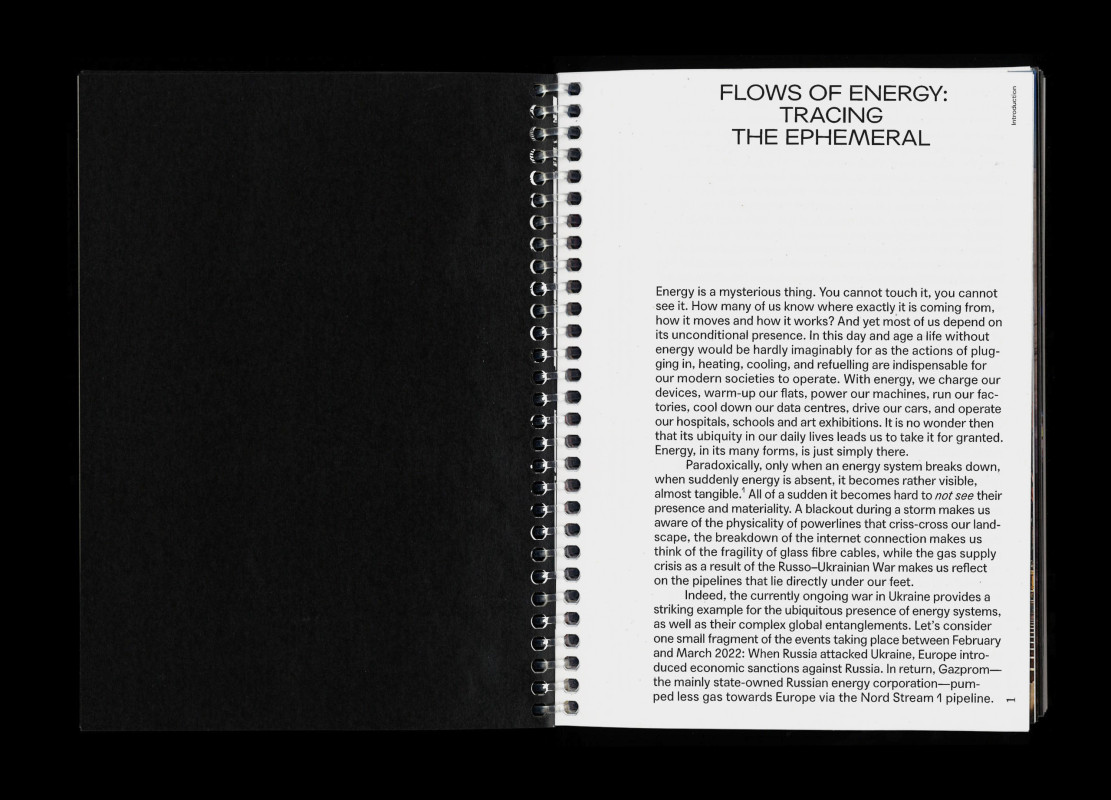
Energy is a mysterious thing. You cannot touch it, you cannot see it. How many of us know where exactly it is coming from, how it moves and how it works? And yet most of us depend on its unconditional presence. In this day and age a life without energy would be hardly imaginably for as the actions of plugging in, heating, cooling, and refuelling are indispensable for our modern societies to operate. With energy, we charge our devices, warm-up our flats, power our machines, run our fac-tories, cool down our data centres, drive our cars, and operate our hospitals, schools and art exhibitions. It is no wonder then that its ubiquity in our daily lives leads us to take it for granted. Energy, in its many forms, is just simply there. Paradoxically, only when an energy system breaks down, when suddenly energy is absent, it becomes rather visible, almost tangible. All of a sudden it becomes hard to not see their presence and materiality. A blackout during a storm makes us aware of the physicality of powerlines that criss-cross our land-scape, the breakdown of the internet connection makes us think of the fragility of glass fibre cables, while the gas supply crisis as a result of the Russo-Ukrainian War makes us reflect on the pipelines that lie directly under our feet Indeed, the currently ongoing war in Ukraine provides a striking example for the ubiquitous presence of energy systems, as well as their complex global entanglements. Let’s consider one small fragment of the events taking place between February and March 2022: When Russia attacked Ukraine, Europe introduced economic sanctions against Russia. In return, Gazprom-the mainly state-owned Russian energy corporation-pum-ped less gas towards Europe via the Nord Stream pipeline. Read more
What do we know about energy?
What don’t we know about energy?
Which are the invisible aspects of our energy systems?
How are energy landscapes evolving, and where?
What might happen when energy systems break?
How does energy travel?
How does it sound?
What does de-colonising energy mean?
Is energy domesticated?
Who owns the energy?
How to look at the world through the lens of energy?
Jing He, Martina Muzi, Roberto Gayo Pérez, Offshore Studio (Isable Seiffert and Christoph Miler)
Marie Kolárová, Lee Ehrat, Elin Aspfors, Mathieu Kelhetter, Konstanty Konopinsk, Kiki Astner, Katharina Amman, Antoine Aimé, Ana Mikadze, Alice Baker, Nicolas Seiler, Rosa Hanssen, Chloe Couasnon, Katharina Frein von Stackelberg, Sophie van’t Noordend, Livni Holtz, Aleksandra Fixl, Nelly Kleijer, Hyacinth Pairault, Filippo Zimmermann, Jacqueline Kärcher, Bram Blokker, Swantje Schulz