Storing
- Access
- Economy
- Infrastructure
- Network
- GeoPolitics
- Ecology
- Monitoring
- Activism
- Authorities
- Climate
- History
- Time
- Landscape
- Vision
- Preserving
- Education
- Human Impacts
Theme
Year: 2023-2024
Semester 2
Theme
Year: 2023-2024
Semester 2

The theme of storing examines what is stored, by whom, how and for what purposes. Each student approached this theme from their own unique perspective, utilising various tools and media under the guidance of the team of tutors. The act of storing is an everlasting action fundamental to both natural as well as artificial processes. Therefore, possible takes on the theme include a variety of perspectives such as the storing of bio-matter and resources as geological strata, collection of bodies, methods, materials, rituals, artefacts by individuals, communities or institutions as a means of preserving memories, values or histories, and contemporary techniques for producing, controlling or sharing socio-political imaginaries of our environments.
“In the temperate and tropical regions where it appears that hominids evolved into human beings, the principal food of the species was vegetable. Sixty-five to eighty percent of what human beings ate in those regions in Paleolithic, Neolithic, and prehistoric times was gathered; only in the extreme Arctic was meat the staple food. The mammoth hunters spectacularly occupy the cave wall and the mind, but what we actually did to stay alive and fat was gather seeds, roots, sprouts, shoots, leaves, nuts, berries, fruits, and grains, adding bugs and mollusks and netting or snaring birds, fish, rats, rabbits, and other tuskless small fry to up the protein. And we didn’t even work hard at it—much less hard than peasants slaving in somebody else’s field after agriculture was invented, much less hard than paid workers since civilization was invented. The average prehistoric person could make a nice living in about a fifteen-hour work week. Fifteen hours a week for subsistence leaves a lot of time for other things. So much time that maybe the restless ones who didn’t have a baby around to enliven their life, or skill in making or cooking or singing, or very interesting thoughts to think, decided to slope off and hunt mammoths. The skillful hunters then would come staggering back with a load of meat, a lot of ivory, and a story. It wasn’t the meat that made the difference. It was the story.”
THE CARRIER BAG THEORY OF FICTION (1986) URSULA K. LE GUIN
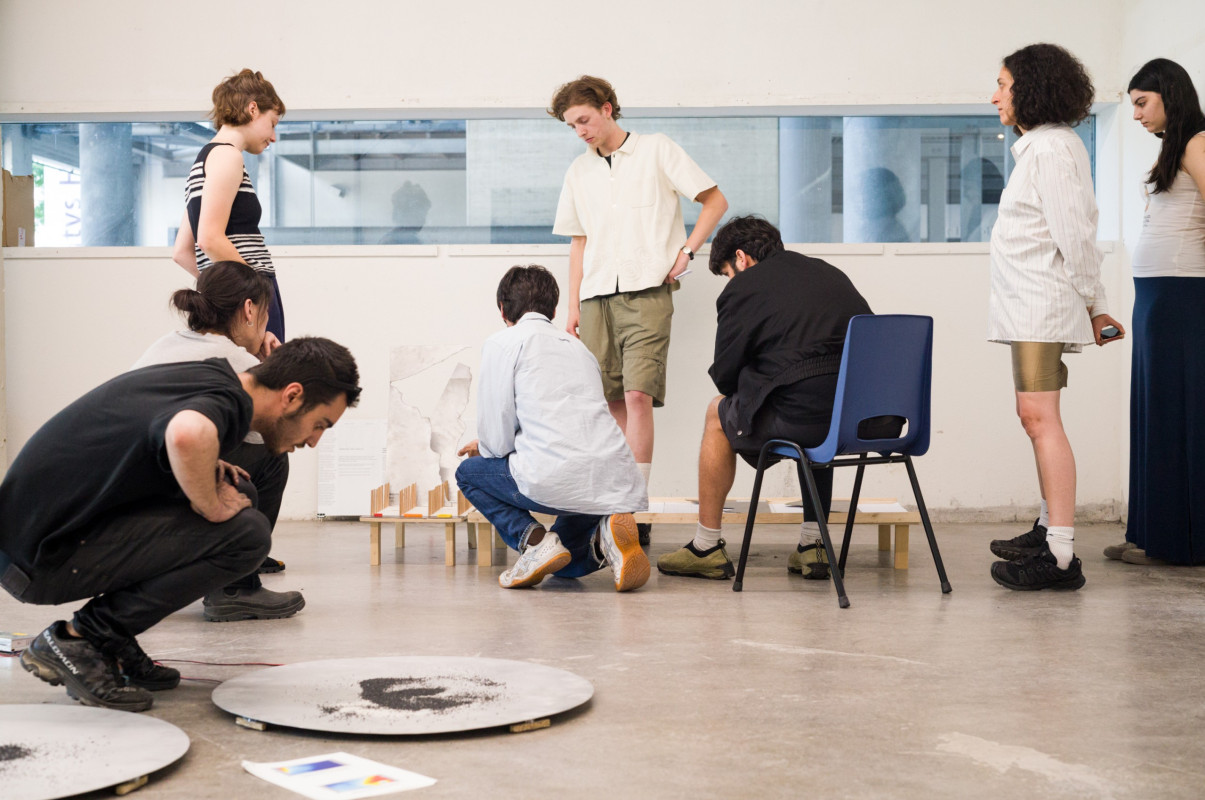
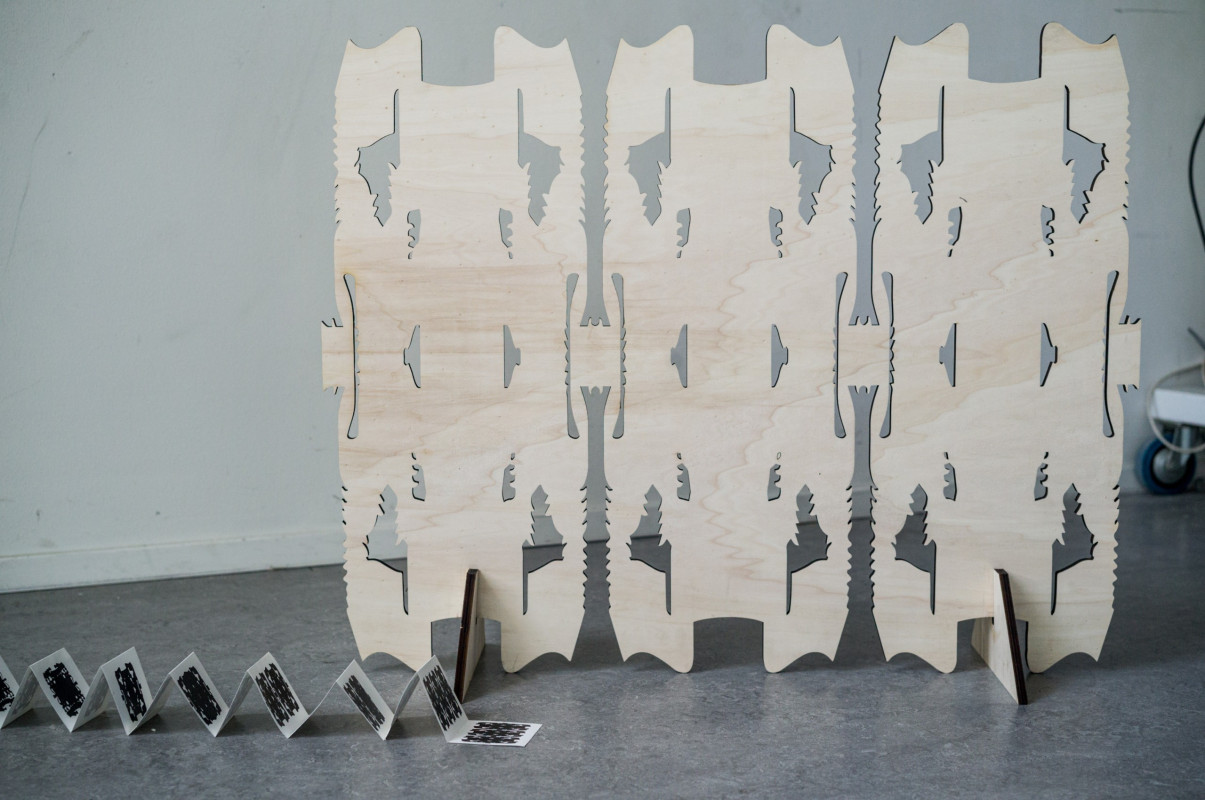
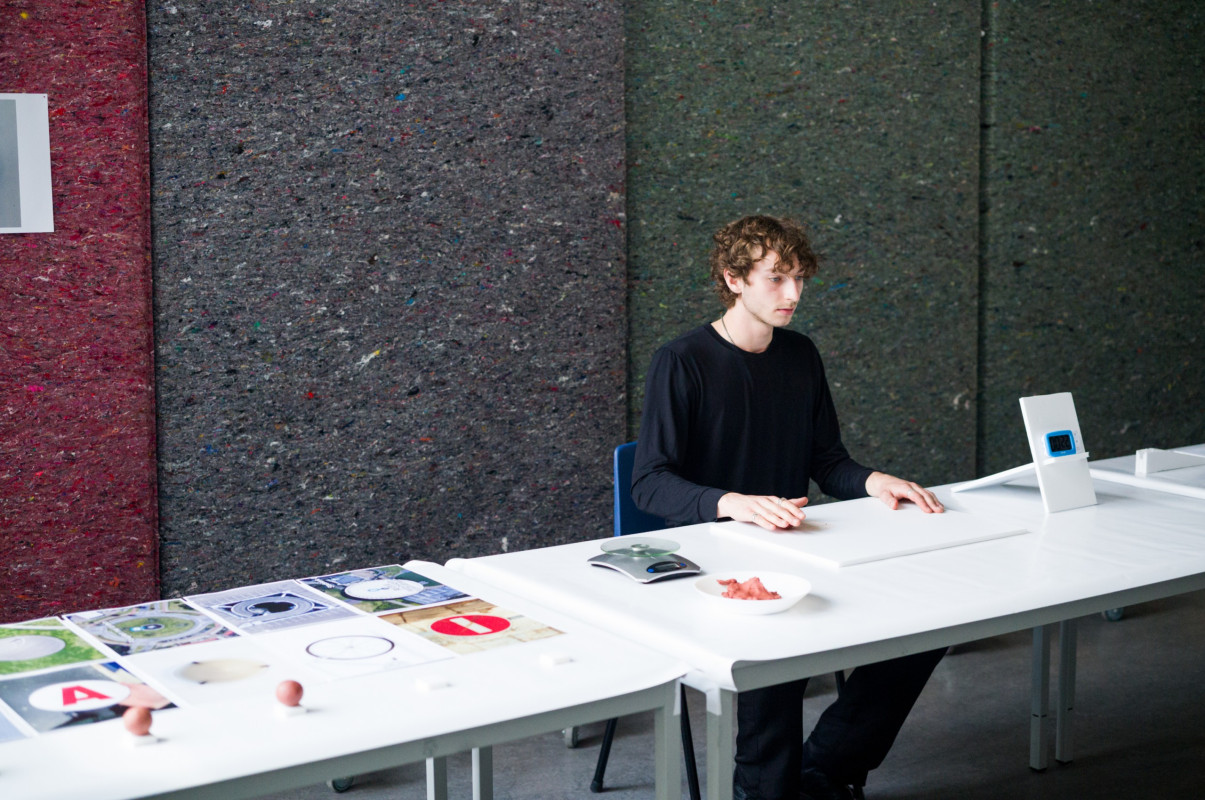
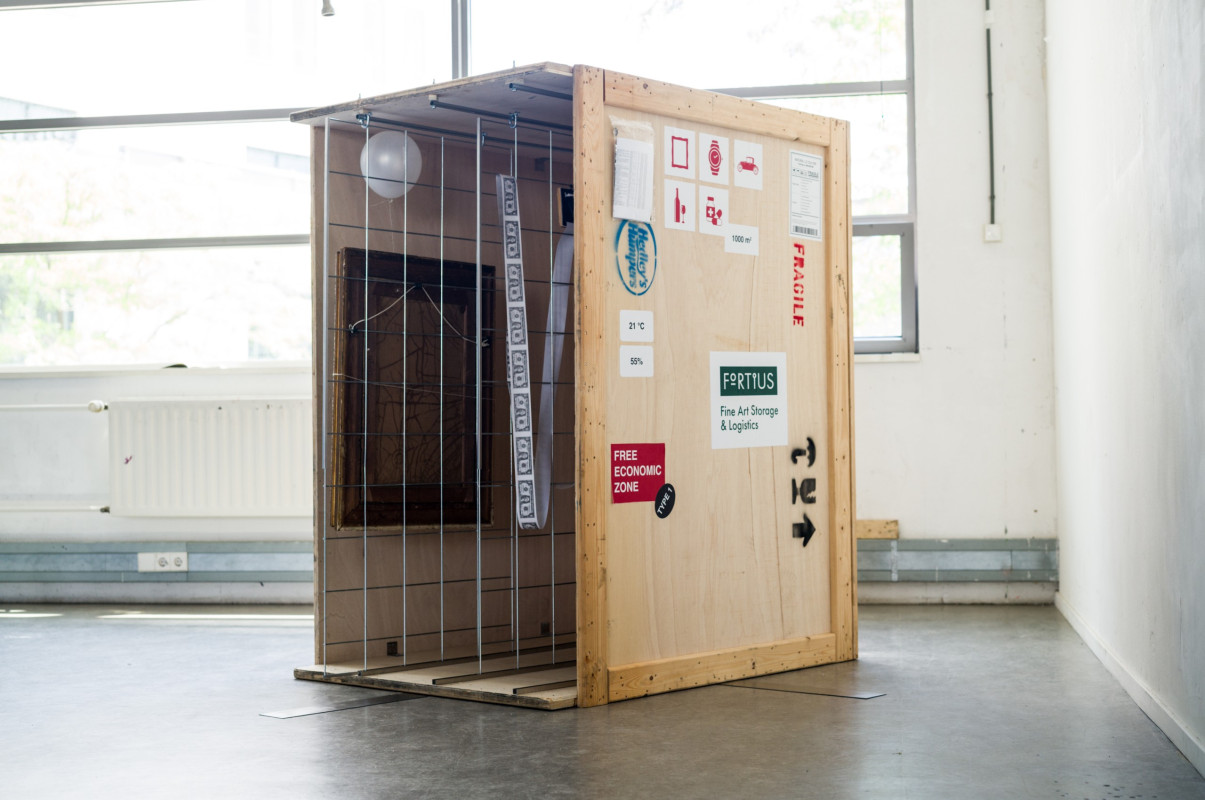
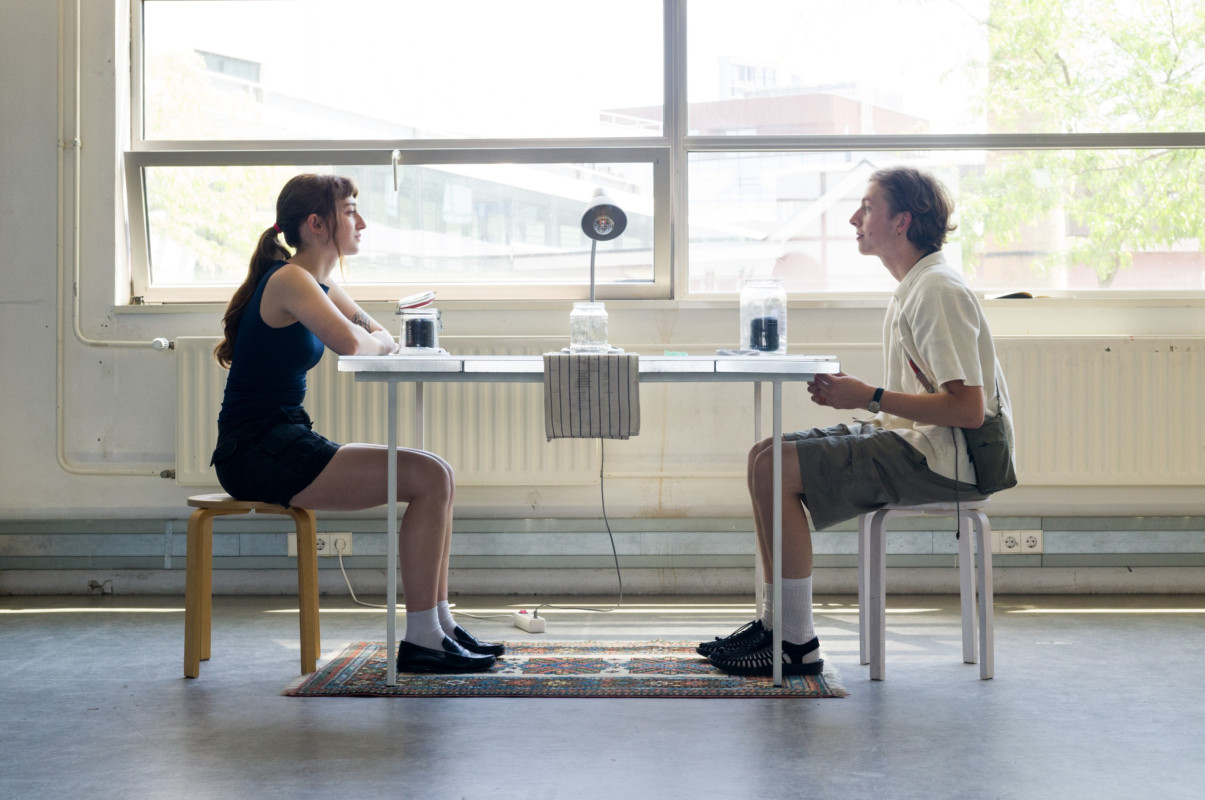
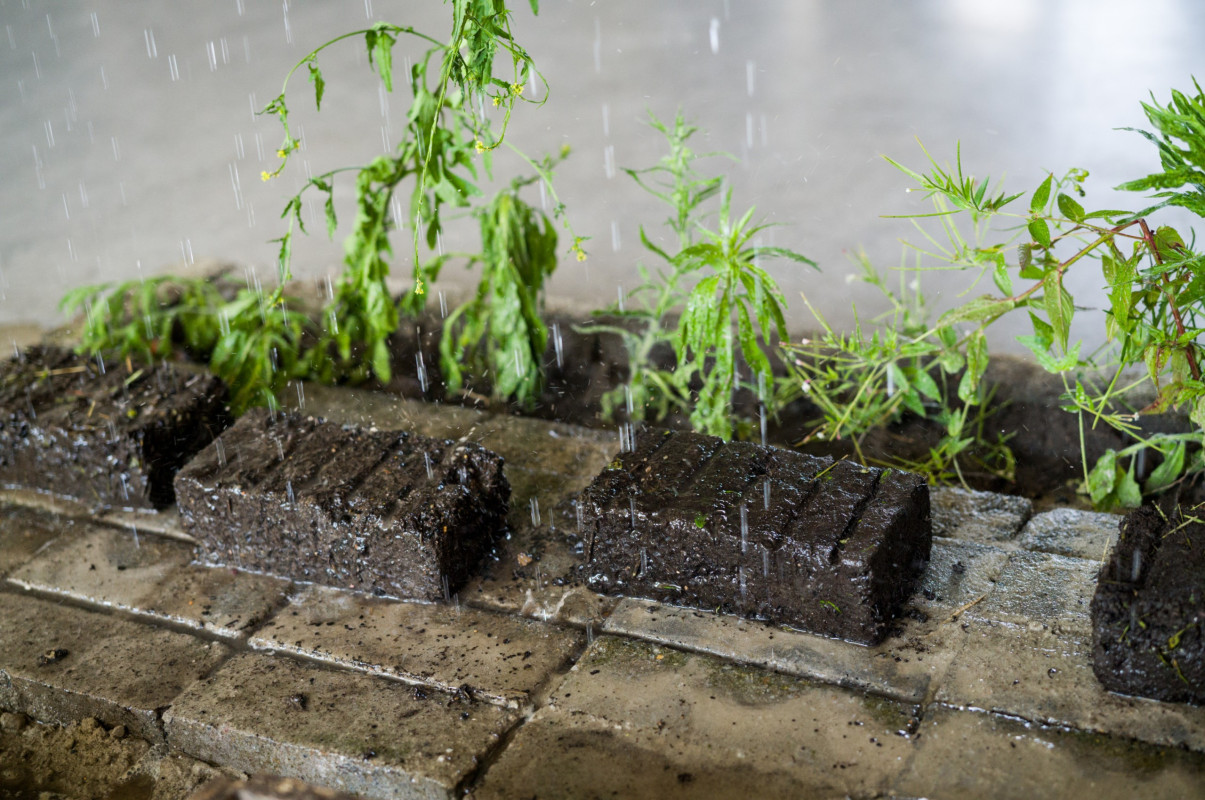
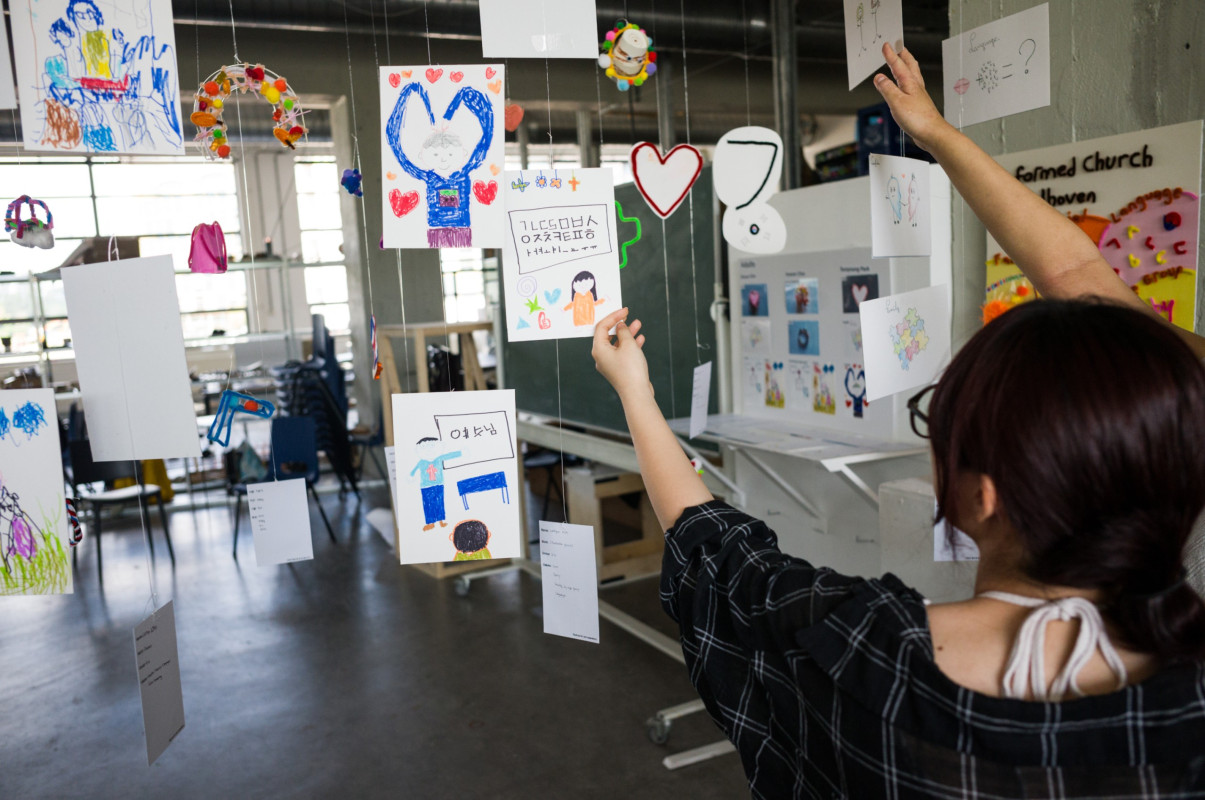
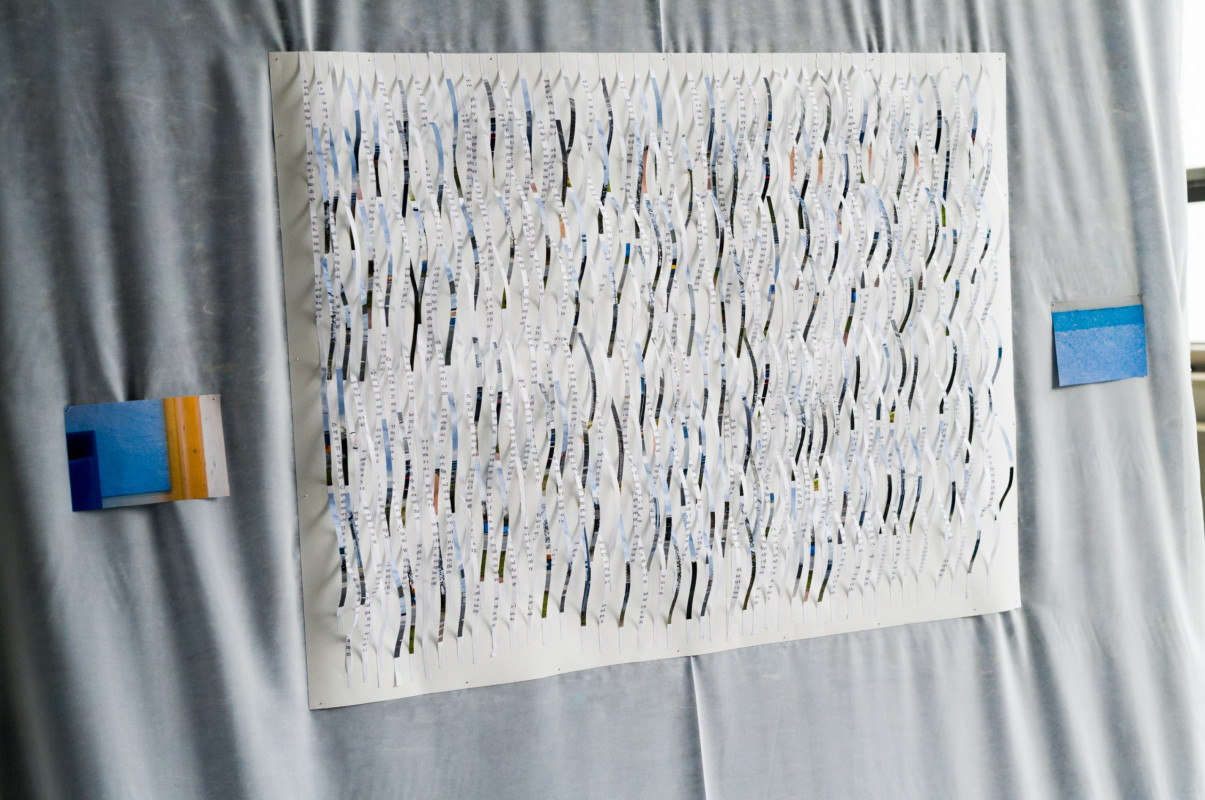
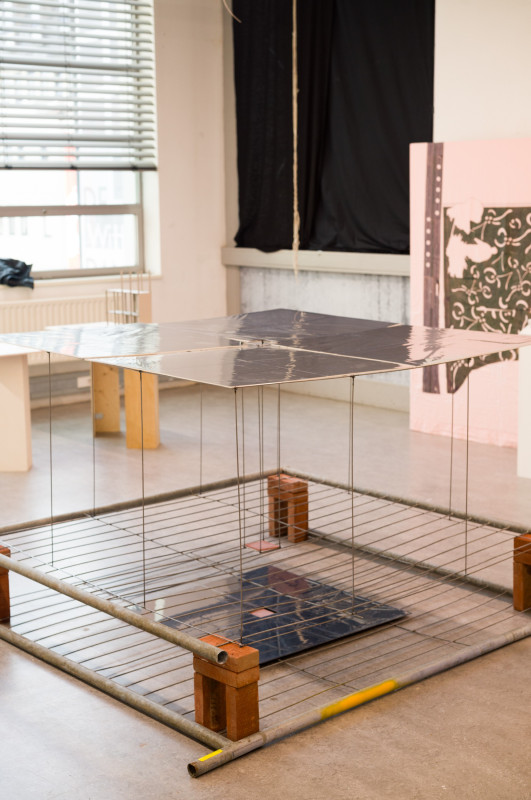
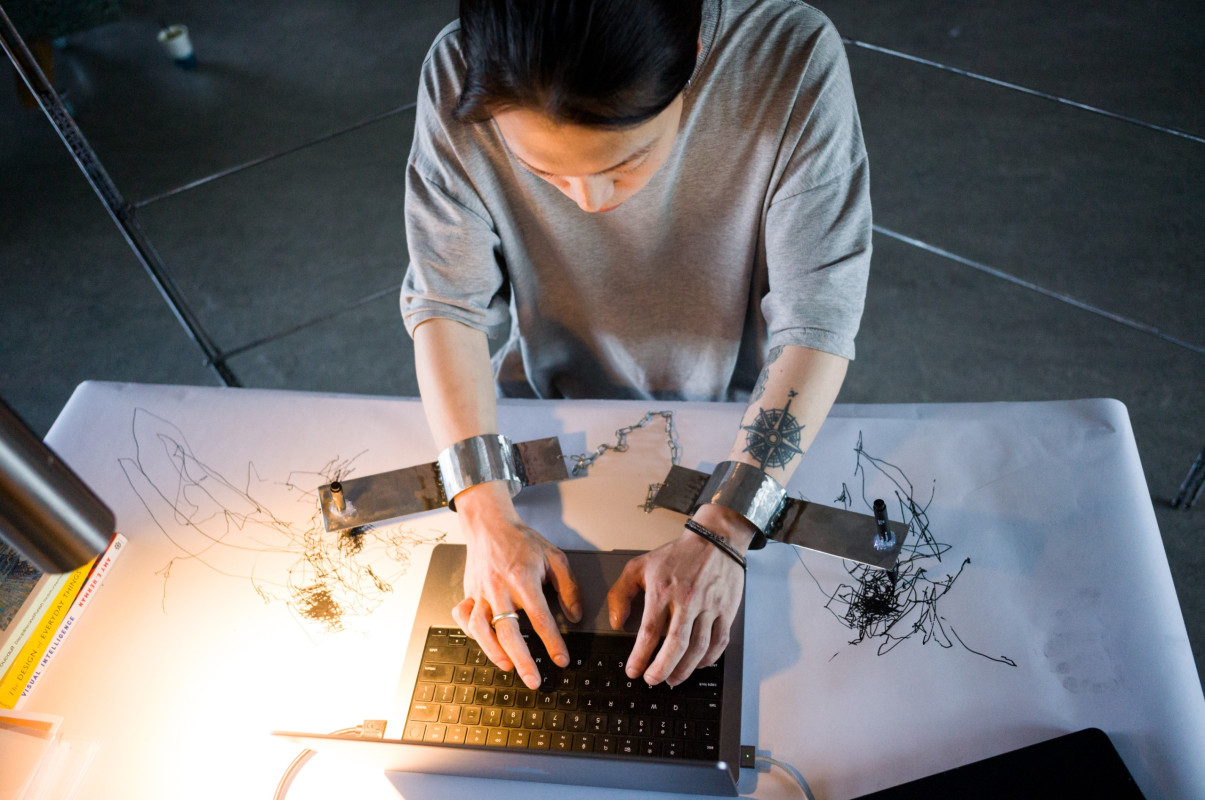
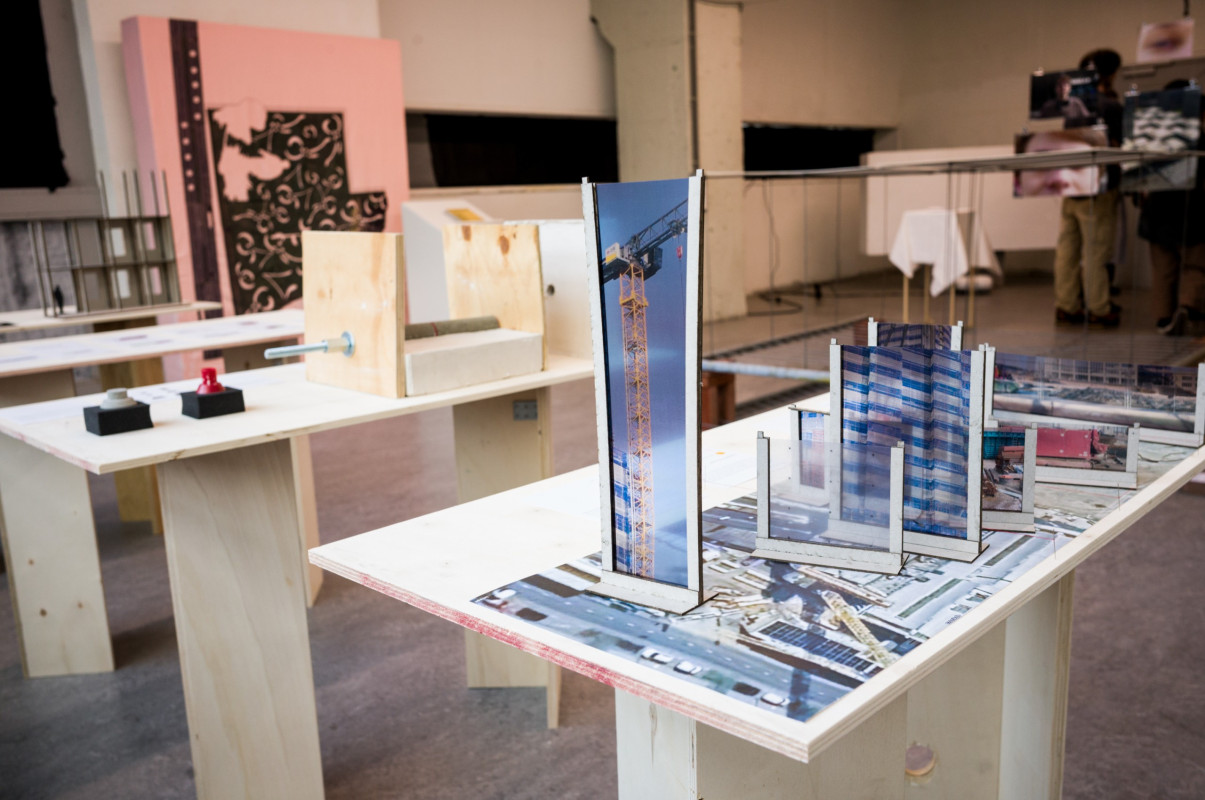
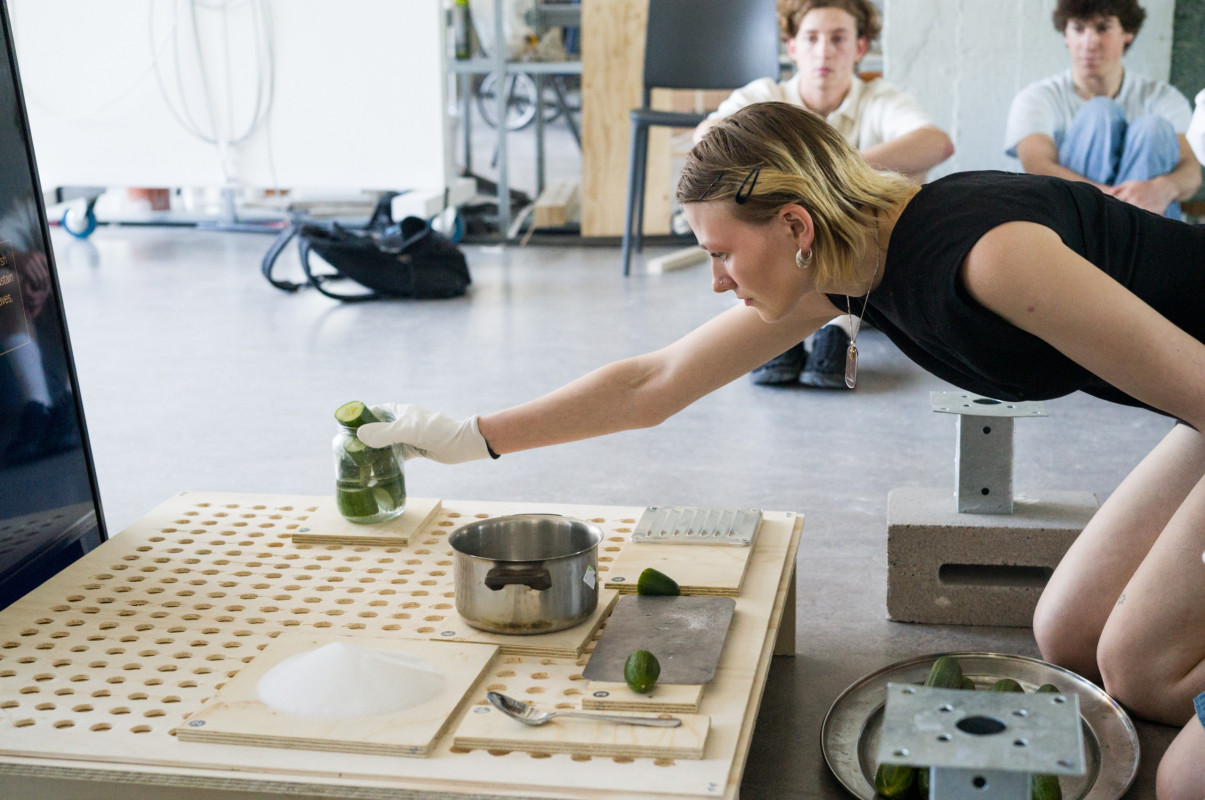
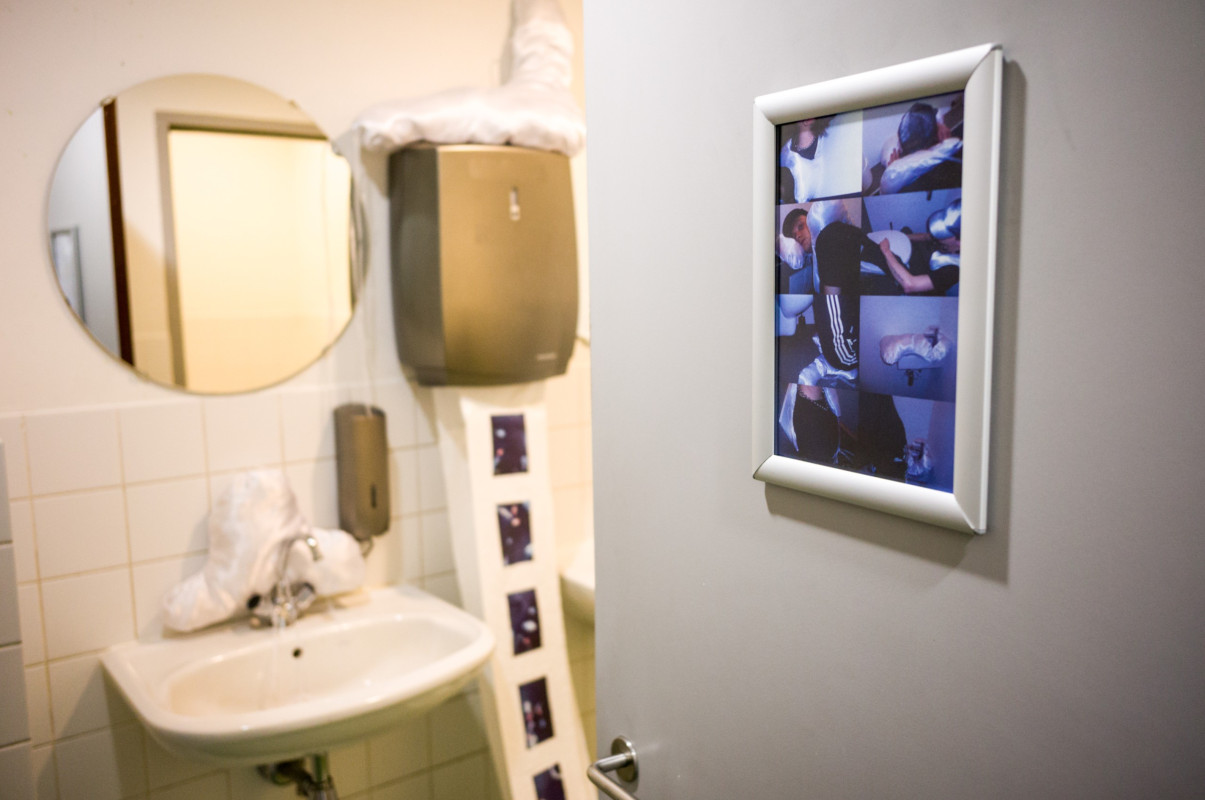
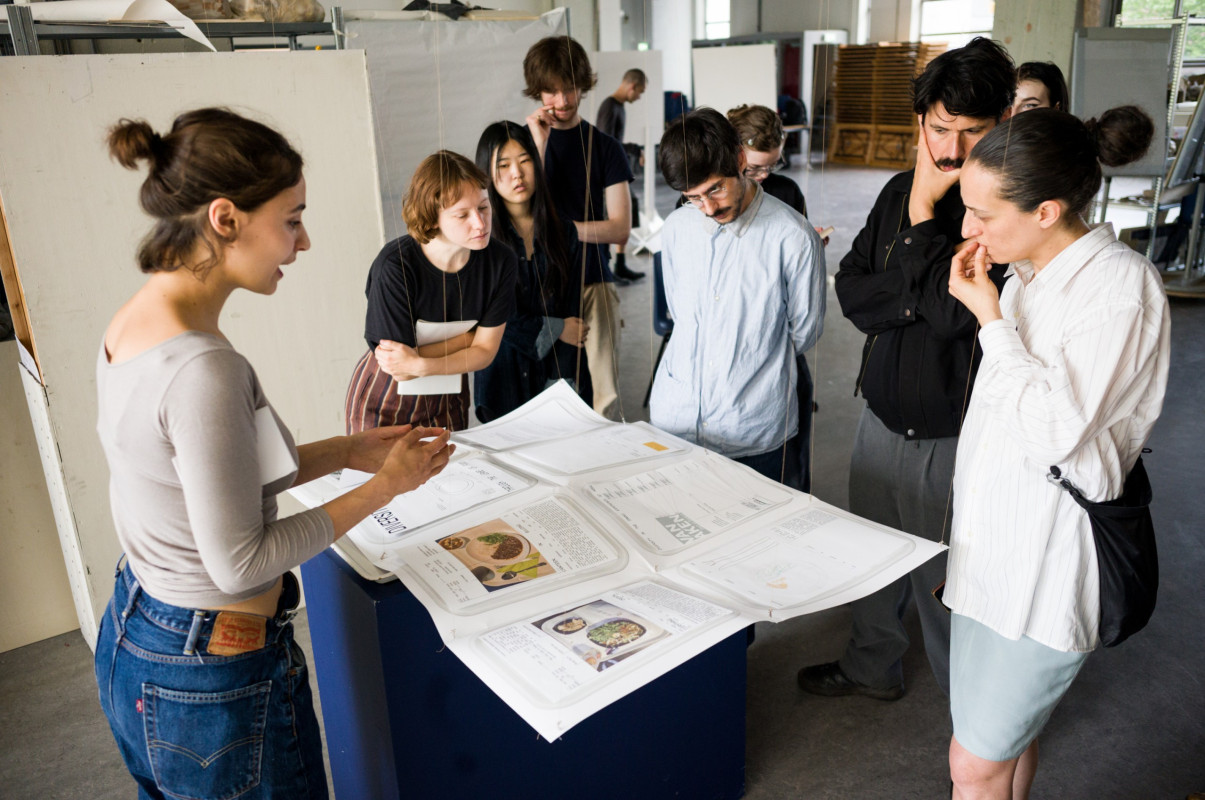
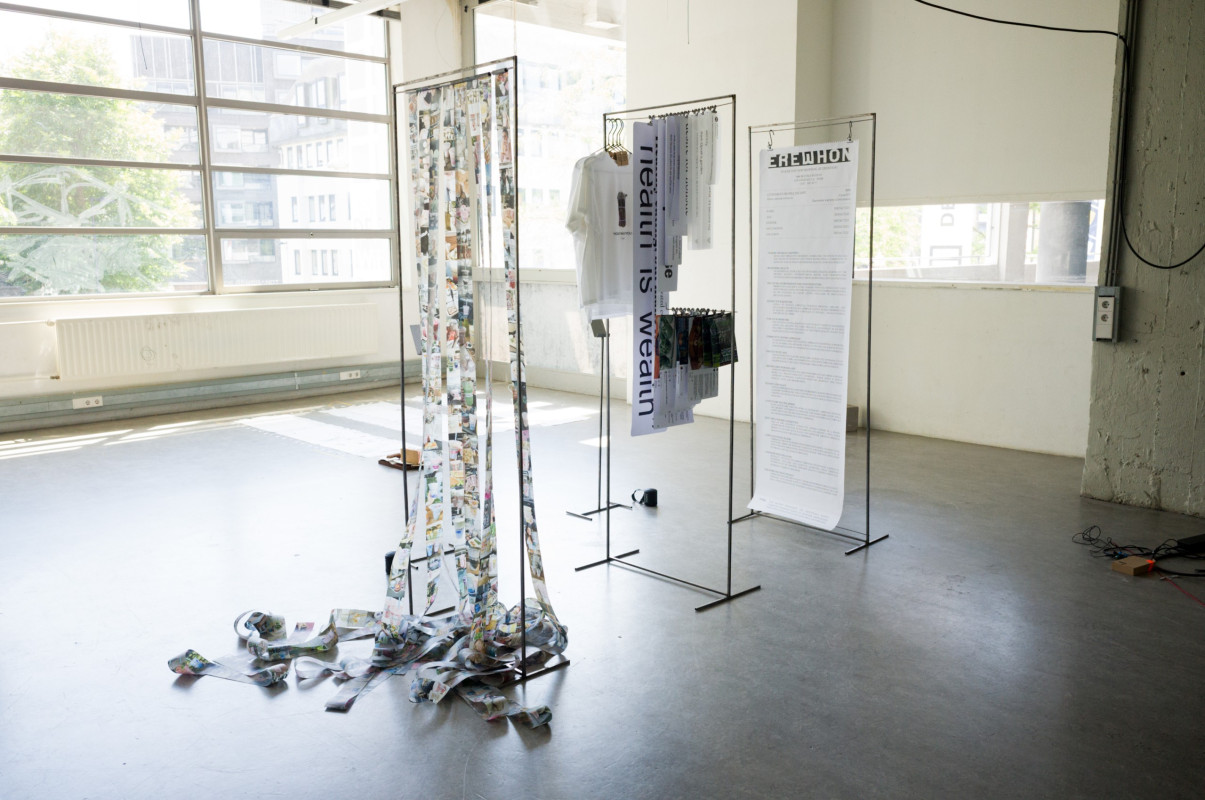
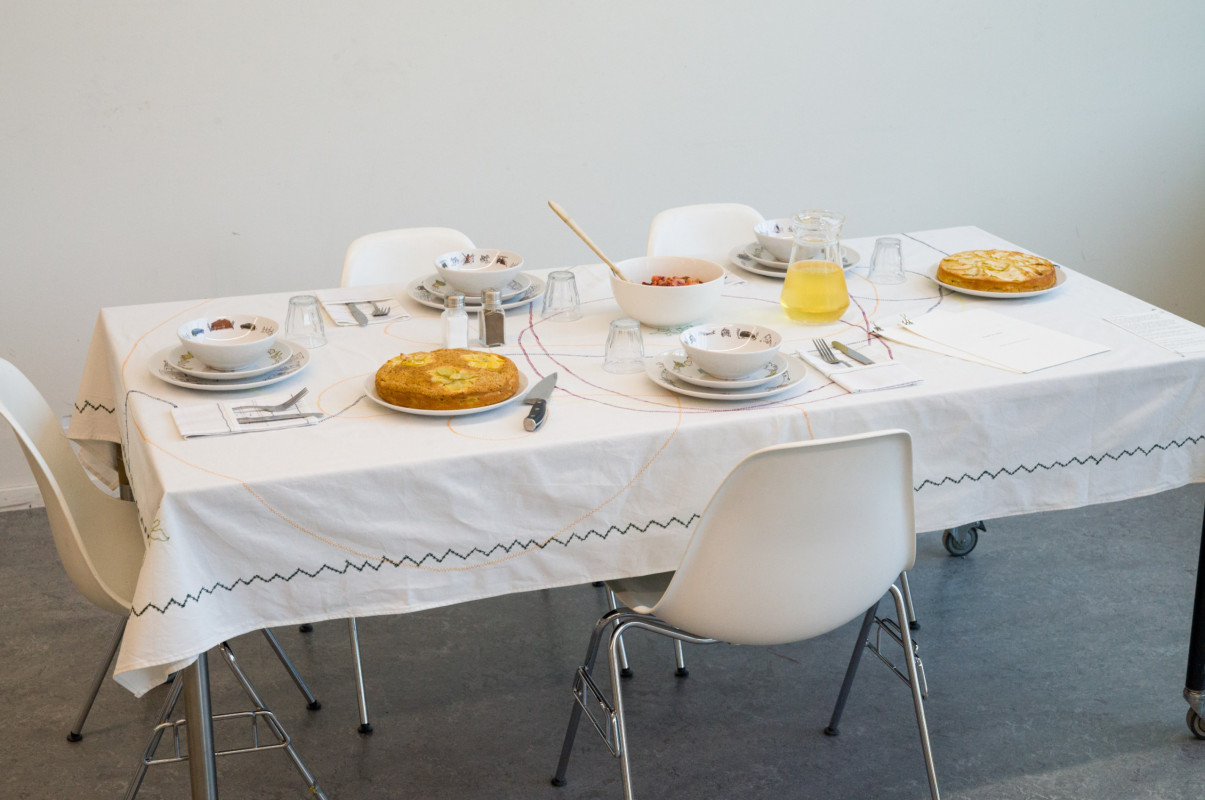
Photographs by Boudewijn Bollmann
Image loading
Project

uiBltsnMelnsu da
tcrPeoj

tsliAa nAi
etoPcjr

/WB
joectrP

esrodrB
torcePj

utsD
crjPtoe

auqsEtaerhk
eojtrcP

ostMeb euma ss refAeulUn
rtPecjo

eGnacd speredSe
creoPtj

ie hranaMedpgegozaGsirli
ctrPoej

Mya
trcPjeo

niilgkPc
etjcroP

Oc$$eAncep
ePjtroc

sampitPcion
Pertjoc

craatircyWte s
jrtcPoe

msWro
trjocPe
Jing He, Martina Muzi, Roberto Gayo Pérez, Hanna Rullmann
Bruno Baietto, Martina Muzi, Hanna Rullmann, Federico Santarini
Nadim Choufi, Belit Sağ
Samantha Blekte, YoonJae Chung, Yotam Cohen, Guilain Delanoue, Eline den Breejen, Alma Dorner, Anton Hallensleben, Abel Morin, Louie Murphy
Kotomi Abe, Aleksandra Alehina, Carlota Bouju, Zoé Bruhat, Amapola Cayrafourcq, Ali Coban, Aisha Dagdelen, Paloma Durand, Jasmine Flamant, Franka de Gorter, May (Gayeong) Kim, Younjae Kim, JungHoon Koo, Nicole Lee, Lukas Lex, Ananya Maithel, Yann Thiel, Pepa Vanags, Justina Volpe, Saeyeon Yang, Benjamin Wijsman